Cost to Replace a Roof by House Size
Figuring out the true cost of a roof replacement can feel like trying to hit a moving target. You get one estimate, then another, and they're all over the map! It's especially frustrating when you're just trying to budget for a major home improvement. This guide is here to cut through the confusion and give you a realistic breakdown of asphalt roof replacement costs based specifically on the size of your house, helping you understand what to expect.
Understanding How House Size Impacts Your Roof Replacement Cost
When you start looking into getting a new roof, one of the first things you'll realize is that size definitely matters, but perhaps not in the way you initially think. It's not just about the footprint of your home; there's a whole lot more that goes into calculating the actual roof area that needs shingles. This distinction is crucial because the total surface area of your roof is what dictates the bulk of your material and labor costs.
Square Footage of Your Home vs. Roof Area
It’s easy to assume that if your house is 2,000 square feet, your roof will also be 2,000 square feet. Oh, if only it were that simple! In reality, your roof's surface area is almost always larger than your home's heated living space. This is due to several factors: the roof overhangs beyond the exterior walls to protect the siding and foundation, and more importantly, the pitch or slope of the roof.
Think about it this way: if you take a flat piece of paper (your home's footprint) and then bend it into a triangular shape (your roof's pitch), the actual surface area of the bent paper is greater than the flat original. The steeper the pitch, the more surface area there is to cover, even if the house's ground footprint remains the same. This is why a simple ranch home with a low-slope roof might have a roof area only slightly larger than its footprint, while a two-story home with a steep A-frame roof or numerous gables could have a roof area that's 30-50% larger than its foundation's square footage.
Contractors will measure your roof's actual dimensions, including all slopes, gables, and dormers, to get an accurate total. This measurement, rather than your home’s square footage, is what they'll use to determine the quantity of materials like shingles, underlayment, and flashing needed, as well as the labor involved. It's an essential first step in understanding your true "Cost to Replace a Roof by House Size".
The "Roofing Square" and Its Significance
Once your roof's total surface area is measured, roofers don't talk in standard square feet. Instead, they use a specific unit called a "square." A roofing square is equivalent to 100 square feet of roof area. This industry standard helps simplify calculations for materials and labor. So, if your roof has a total surface area of 2,500 square feet, a roofer will tell you it's a 25-square roof.
Understanding this term is key to deciphering roofing estimates. When a contractor provides a price per square, you can multiply that by the total number of squares on your roof to get a baseline material and labor cost. This is often where homeowners get confused, as they might think a "square" refers to a 10×10 section on the ground, but it's specifically about the roof's sloped surface.
For instance, if you have a 2,000 square foot house with a moderately pitched roof, the actual roof surface area might be closer to 2,500 square feet, meaning you have a 25-square roof. If another house has a 2,000 square foot footprint but a much steeper, more complex roof with multiple dormers, its actual roof surface area could be 3,000 square feet, equating to a 30-square roof. This difference of 5 squares, even for homes with the same foundation size, can significantly alter the overall project cost.
Beyond Just the Footprint: Other Factors
While your home's square footage gives us a starting point, many other factors related to the roof's geometry and existing conditions play a huge role in the final cost. These elements can add complexity, increase labor time, and require more specialized materials, all of which will impact your wallet. Ignoring these details is a common mistake homeowners make when trying to estimate costs on their own.
One significant factor is roof complexity. A simple, unobstructed gable roof with two slopes is far less labor-intensive than a hip roof with four slopes, multiple valleys, dormers, and skylights. Each cut, valley, and penetration (like a chimney or vent pipe) requires meticulous flashing and sealing, taking more time and skill. Then there’s the existing roof situation: are you doing a complete tear-off, or are you considering a roof over an existing shingle layer? If multiple layers of old shingles need to be removed, that adds considerable labor and disposal costs. You can learn more about the complexities in our guide on the .
The height and accessibility of your roof also matter. A single-story ranch home is easier and safer to work on than a steep, multi-story Victorian, often incurring a higher "Steep Roof Cost Premium" for the latter. Access to the property for material delivery and debris removal can also influence costs. These seemingly minor details can quickly accumulate, transforming a basic asphalt roof replacement into a much more intricate and expensive undertaking.
Typical Asphalt Roof Replacement Costs by Common House Sizes
It’s natural to want a ballpark figure, especially when you’re just starting to explore roof replacement options. While exact costs will vary wildly based on location, material choices, and specific contractor quotes, we can give you some general ranges based on common house sizes. Keep in mind these are broad estimates for a complete asphalt shingle tear-off and replacement, including materials, labor, and basic disposal. For a full breakdown, check out our article on the .
These figures usually assume architectural asphalt shingles, which are the most popular choice for their durability and aesthetic appeal. If you opt for basic 3-tab shingles, your costs might be slightly lower, while premium designer shingles like those from CertainTeed or GAF could push your prices higher. Remember that these ranges are averages, and your local market conditions can significantly influence the final price.
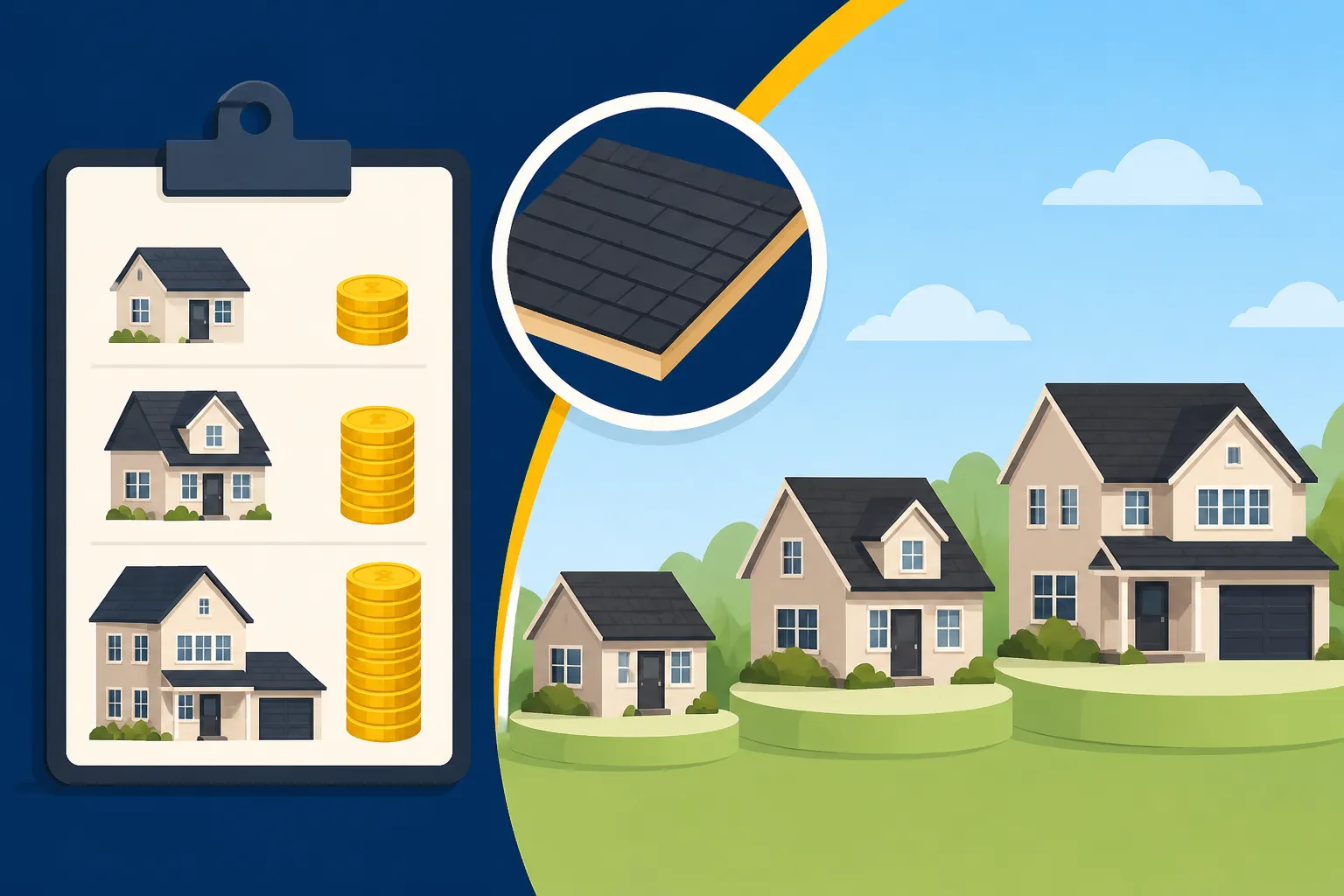
Costs for Smaller Homes (e.g., 1,000 – 1,500 sq ft)
For smaller homes, typically ranging from 1,000 to 1,500 square feet in living space, the roof replacement cost will naturally be on the lower end of the spectrum. These homes often feature simpler rooflines, like a basic gable or hip roof, which reduces complexity and labor time. However, even with a smaller footprint, the actual roof surface area will still be larger. For a 1,000 square foot house, you might be looking at a roof surface area of 12-15 squares, and for a 1,500 square foot house, perhaps 18-22 squares.
The average cost for replacing an asphalt shingle roof on a 1,000 square foot home might range from $7,000 to $12,000. For a 1,500 square foot home, this range typically falls between $9,000 and $16,000. These estimates include the removal of one layer of old shingles, installation of new architectural asphalt shingles, underlayment, drip edge, flashing, and proper ventilation. These homes are often single-story or 1.5-story structures, making them easier for roofing crews to access and work on, further contributing to the lower overall price point.
Homeowners with smaller residences can sometimes benefit from quicker project completion times and fewer material requirements. However, it's still crucial to get detailed estimates from local contractors to account for any specific regional pricing or unique features of your roof. Even a small home can have a surprisingly steep pitch or multiple valleys that drive costs up.
Costs for Medium-Sized Homes (e.g., 1,800 – 2,500 sq ft)
Medium-sized homes, typically between 1,800 and 2,500 square feet of living space, represent a significant portion of the housing market. These homes often include two-story designs, more complex roof configurations, and sometimes attached garages, which all contribute to a larger roof surface area. A 2,000 square foot house, for example, might have a roof that measures anywhere from 25 to 35 squares, depending on its design and pitch.
For these homes, the average asphalt roof replacement cost generally falls between $14,000 and $25,000. For a 1,800 square foot home, you might expect costs in the $12,000 to $20,000 range, while a 2,500 square foot home could see prices from $17,000 to $28,000. This range reflects the increased material quantities and labor hours required for larger, potentially more intricate rooflines. You might find a wider variance in quotes for these homes as factors like the number of valleys, skylights, and dormers become more prevalent.
It's common for these homes to feature more complex architectural elements, such as multiple roof planes, varying pitches, and numerous penetrations (chimneys, vent pipes). Each of these adds to the labor intensity and material costs. When you're dealing with a home of this size, paying close attention to "How to Read and Compare Roofing Estimates" becomes even more vital to ensure you're getting a comprehensive and fair quote.
Costs for Larger Homes (e.g., 3,000+ sq ft)
When you're dealing with homes that are 3,000 square feet or larger, you're entering the realm of more substantial roof replacement projects. These properties often boast expansive footprints, multiple stories, elaborate roof designs, and a higher number of architectural features. A 3,000 square foot house could easily have a roof surface area of 40-50 squares or more, pushing material and labor demands significantly higher.
For a 3,000 square foot home, you can anticipate asphalt roof replacement costs to range from $20,000 to $35,000 or more. For much larger estates exceeding 4,000 square feet, the cost can easily climb past $40,000 and reach $60,000+, particularly if premium shingles or extensive customization is involved. These projects often require larger crews, more specialized equipment, and a longer timeline for completion. The sheer volume of materials, including hundreds of bundles of shingles, numerous rolls of underlayment, and extensive flashing, drives up the base cost considerably.
Beyond the sheer size, larger homes frequently come with added complexities like very steep pitches, numerous gables, intricate valleys, turrets, and a higher number of skylights or custom chimney flashing. These elements all contribute to a higher labor cost due to increased difficulty, risk, and the precision required for proper installation. Homeowners with larger properties should definitely anticipate a more substantial investment and be prepared to vet contractors thoroughly.
Here's a quick overview of estimated asphalt roof replacement costs by house size, assuming a complete tear-off and replacement with architectural shingles, including basic labor and disposal.
| House Living Space (sq ft) | Estimated Roof Surface Area (Squares) | Average Cost Range (Architectural Shingles) | Key Considerations |
|---|---|---|---|
| 1,000 – 1,500 | 12 – 22 | $7,000 – $16,000 | Often simpler rooflines, faster installation |
| 1,800 – 2,500 | 25 – 35 | $14,000 – $28,000 | Common two-story homes, moderate complexity |
| 3,000 – 4,000 | 40 – 55 | $20,000 – $35,000+ | Larger footprints, potentially more complex designs |
| 4,000+ | 55+ | $35,000 – $60,000+ | Extensive roofs, higher complexity, premium finishes |
Note: These are general estimates. Actual costs will vary based on location, specific material choices, roof complexity, and contractor pricing.
Key Factors Beyond House Size That Drive Asphalt Roofing Costs
While house size is a significant starting point for budgeting your roof replacement, it's certainly not the only variable in the equation. Many homeowners get sticker shock when comparing quotes, not realizing the multitude of other factors that contribute to the final price. These elements can drastically swing your costs, sometimes even more than the sheer square footage. Understanding them will empower you to have more informed conversations with prospective contractors.
It's common to focus solely on the "Cost to Replace a Roof by House Size," but overlooking these details can lead to unexpected expenses. From the tricky angles of your roof to the specific shingles you choose and even where you live, each plays a pivotal role in the overall investment. Let's dig into some of these critical, often underestimated, cost drivers.
Roof Pitch and Complexity
The pitch of your roof refers to its steepness, or how many inches it rises vertically for every 12 inches it extends horizontally. This isn't just an aesthetic feature; it profoundly impacts the safety, labor, and time required for your roofing project. A low-slope roof (e.g., 4/12 pitch or less) is generally easier and quicker to work on, as roofers can walk on it with relative ease. However, very low slopes might even require special low-slope shingle application techniques or different materials.
Conversely, a steep-pitch roof (e.g., 7/12 pitch or higher) presents significant challenges. It requires specialized safety equipment, such as scaffolding, harnesses, and safety ropes, to protect the crew. Material handling becomes more difficult, and the work itself is slower and more physically demanding. Consequently, contractors often charge a "Steep Roof Cost Premium" for these projects, which can add 10-25% to the labor costs. More complex roofs with multiple valleys, hips, dormers, and chimney penetrations also increase labor because each intersection requires precise cutting, flashing, and sealing, consuming more time and skilled craftsmanship.
Shingle Type and Quality
Asphalt shingles come in various styles and qualities, and your choice here will be one of the most substantial factors influencing your total cost. The three main types are 3-tab, architectural (or dimensional), and luxury (or designer) shingles. Each offers different aesthetics, durability, and price points. While 3-tab shingles are the most economical, they offer the least protection and a flatter look. You might want to consider the differences between the to understand which is right for you.
Architectural shingles are the most popular choice today, offering a thicker, multi-layered construction that mimics the look of wood shakes or slate at a fraction of the cost. They are more durable, have better wind resistance, and come with longer warranties than 3-tab. Brands like GAF (Timberline HDZ), Owens Corning (Duration), and CertainTeed (Landmark) dominate this market. Luxury shingles, like CertainTeed's Presidential Shake or GAF's Grand Sequoia, are the highest-end asphalt options. They are significantly heavier, offer superior aesthetic depth, and provide exceptional durability, but they come at a premium price, often 50-100% more than architectural shingles. The type of shingle you select has a direct impact on both the initial material cost and the long-term value and longevity of your roof.
Material and Labor Rates by Region
Just like real estate prices, the cost of roofing materials and labor can vary dramatically depending on where you live. Roofing projects in high-cost-of-living areas, such as major metropolitan centers like New York City, San Francisco, or parts of Florida and California, will almost always be more expensive than those in rural areas or regions with lower labor costs, such as the Midwest or parts of the South. This is due to differences in local wages, transportation costs for materials, and regional demand for skilled contractors.
For example, a roofing crew in Dallas, Texas, might charge a different hourly rate than a crew in Boston, Massachusetts, even for the same quality of work. Furthermore, material costs can fluctuate based on shipping distances and local supply and demand. Areas prone to severe weather, like hurricane zones in Florida or hail-prone regions in Colorado and Texas, may also have higher material costs due to requirements for impact-resistant shingles or specialized high-wind nailing techniques to meet stricter building codes. These regional variations mean that an estimate for a 2,000 square foot home in Ohio could be vastly different from a similar home in Seattle, Washington.
Additional Cost Components to Consider in Your Budget
When planning for a new roof, it's easy to focus solely on the shingles and the basic installation. However, a comprehensive roof replacement involves many interconnected components, and several "hidden" costs can quickly add up if you're not prepared. These extra expenses are often necessary for a structurally sound, long-lasting roof and shouldn't be overlooked in your budgeting process. Neglecting these details could compromise the integrity of your new roof and even void your warranty.
Understanding these additional charges upfront will prevent surprises down the road and ensure you have a truly complete estimate. From removing the old roof to replacing damaged underlying structures, each step has its own cost implications that extend beyond the simple "Cost to Replace a Roof by House Size."
Roof Tear-Off and Disposal
Unless you're doing a roof overlay (which is only possible if your local codes and existing roof condition allow it, and often not recommended), a complete roof replacement begins with tearing off the old shingles and underlayment. This process is labor-intensive and messy, and it’s where a significant portion of your initial cost will go. The more layers of old roofing material present, the more labor and time it will take to remove them. Many areas limit the number of shingle layers, often to two, requiring a full tear-off if you have more than that. Learn more about the .
Once the old materials are removed, they need to be disposed of properly. This involves loading them into a dumpster and transporting them to a local landfill or recycling facility. Dumpster rental, landfill fees, and transportation costs are all factored into the tear-off and disposal portion of your estimate. Depending on the size of your roof and the number of layers being removed, this can easily add anywhere from $1,000 to $3,000 or more to your total project cost. It's a non-negotiable step for a proper roof replacement, ensuring a clean, stable surface for your new shingles.
Underlayment, Flashing, and Ventilation
Beyond the shingles themselves, a complete asphalt roofing system relies on several other crucial components to perform optimally. These elements act as your roof's secondary defense against water and help regulate attic temperatures, extending the life of your entire system.
First, there's the underlayment, typically a synthetic or felt material, installed directly over the roof decking. It provides an extra layer of protection against moisture penetration should water get past your shingles. An "Ice and Water Shield" is a specialized, self-adhering underlayment often required in vulnerable areas like valleys, around chimneys, and along eaves in cold climates to prevent ice dam formation. Then there's flashing, which consists of metal pieces (usually aluminum or galvanized steel) installed at all roof penetrations and transitions, like chimneys, skylights, vent pipes, and wall intersections. Proper flashing is absolutely critical for preventing leaks, and the "Cost of New Flashing and Drip Edge" can vary based on the number and complexity of these areas.
Finally, adequate attic ventilation is paramount. A well-ventilated attic helps regulate temperature, preventing heat buildup in the summer and moisture accumulation in the winter, which can otherwise lead to premature shingle aging, mold growth, and increased energy bills. This involves a system of intake vents (usually soffit vents) and exhaust vents (ridge vents, box vents, or turbine vents). If your current ventilation system is insufficient, your contractor might recommend upgrades, adding to the overall cost but providing long-term benefits for your home's health and energy efficiency.
Unexpected Repairs (e.g., Decking Damage)
One of the most common "hidden costs" that homeowners encounter during a roof replacement is the need for unexpected repairs to the underlying roof decking. The decking, typically made of plywood or OSB, is the structural base to which shingles are nailed. While a contractor can usually inspect the visible decking from the attic and the underside of existing shingles, the true condition often isn't fully revealed until the old roof layers have been completely torn off.
Rotten or water-damaged decking can result from chronic leaks, poor ventilation, or insect infestation. If discovered, these compromised sections must be replaced to provide a solid, secure surface for the new shingles. Ignoring them would lead to nail pops, sagging areas, and a significantly shortened lifespan for your brand-new roof. Each sheet of plywood or OSB that needs replacement adds to your material and labor costs. On average, you might expect to pay an extra $75 to $150 per sheet for removal and replacement, plus additional labor. While contractors usually include a contingency for minor decking repairs in their bids, extensive damage can lead to a significant change order, making it important to budget for potential surprises. You can learn more about the implications of this in our guide on .
Navigating Estimates and Finding the Right Contractor
Getting a new roof is a big investment, and choosing the right contractor and understanding their estimates can feel overwhelming. It's not just about the numbers; it's about trust, quality, and peace of mind. Many homeowners fall into the trap of simply picking the lowest bid, only to regret it later when issues arise. Taking the time to properly vet contractors and scrutinize their quotes is crucial for a successful project.
The goal here isn't just to find a cheap roof, but to find the best value – a durable roof installed correctly by a reputable professional that will protect your home for decades. This involves more than just looking at the "Cost to Replace a Roof by House Size" and requires a deeper dive into the contractor's credentials and the fine print of their proposal. If you're wondering, "", we have a dedicated article for that.
Getting Multiple Bids and Comparing Them
One of the most important steps in any major home renovation, especially a roof replacement, is to obtain multiple estimates – ideally three to five – from different reputable contractors. This isn't just about price shopping; it's about understanding the scope of work, comparing materials, and evaluating the professionalism of each company. Don't just ask for a "roof replacement quote"; be specific about what you expect, such as architectural shingles, a full tear-off, new flashing, and improved ventilation.
When you receive the bids, don't just glance at the bottom line. Dig into the details:
- Line-item breakdown: Does the estimate clearly list materials (shingles, underlayment, drip edge, vents, flashing), labor, tear-off/disposal, and any permits separately?
- Material specifications: Are they specifying the brand, type, and color of shingles? Are they using quality underlayment and accessories?
- Scope of work: Does it explicitly state whether it's a full tear-off or an overlay? What happens with existing gutters, skylights, or chimneys?
- Warranties: What kind of warranty is included for materials and workmanship?
- Payment schedule: Is it reasonable, with a clear deposit and final payment upon completion?
A resource like Modernize can be incredibly helpful in connecting you with several local, vetted contractors, streamlining the process of getting competitive bids. By comparing these comprehensive proposals side-by-side, you can identify discrepancies, ask clarifying questions, and get a clearer picture of what constitutes a fair price for your specific project.
Importance of Licensed, Insured, and Certified Roofers
When you're entrusting someone with one of the most critical structural components of your home, their credentials are non-negotiable. Always, always, always ensure your chosen roofing contractor is properly licensed, adequately insured, and preferably certified by shingle manufacturers.
- Licensing: A state or local license indicates that the contractor has met specific requirements, often including demonstrating competence, passing exams, and sometimes proving financial stability. Licensing protects consumers by ensuring contractors adhere to certain standards.
- Insurance: This is absolutely vital. A reputable roofer should carry both General Liability insurance and Workers' Compensation insurance. General Liability covers any damage to your property or a neighbor's property during the project. Workers' Compensation covers their crew if someone gets injured on your property. Without it, you, the homeowner, could be held liable for medical bills and lost wages if an uninsured worker is hurt on your roof. You should ask for proof of insurance and even call the insurance carrier to verify its validity.
- Manufacturer Certifications: Many leading shingle manufacturers, like GAF, Owens Corning, and CertainTeed, offer certification programs for contractors (e.g., GAF Master Elite, Owens Corning Platinum Preferred, CertainTeed SELECT ShingleMaster). These certifications mean the contractor has met rigorous standards, undergone specific training, and demonstrated expertise in installing that manufacturer's products. Crucially, hiring a manufacturer-certified roofer often makes you eligible for enhanced, non-prorated warranties that protect your entire roofing system, not just the shingles themselves. This significantly extends your peace of mind and the long-term protection of your investment.
Understanding Warranties and What They Cover
A roof replacement comes with two primary types of warranties, and understanding the difference is essential for long-term protection: the manufacturer's warranty and the contractor's workmanship warranty. Misunderstanding these can lead to costly surprises down the road.
The manufacturer's warranty covers the materials themselves – the shingles, underlayment, and other components from that specific brand – against manufacturing defects. Standard manufacturer warranties typically cover materials for a certain period (e.g., 25-50 years for architectural shingles), often with a non-prorated period (where the full cost of defective materials is covered) followed by a prorated period (where coverage decreases over time). However, when you hire a manufacturer-certified contractor and install a complete system from that manufacturer, you can often qualify for enhanced warranties, sometimes offering 50 years of non-prorated coverage on materials and even coverage for labor to tear off and reinstall should a defect occur. You can look into specifics with our guide on .
The contractor's workmanship warranty covers the quality of the installation. This warranty protects you if your roof leaks or fails prematurely due to errors made by the installation crew. Workmanship warranties typically range from 5 to 25 years, depending on the contractor and whether they are manufacturer-certified. It’s crucial to get this in writing, detailing what it covers and for how long. A good contractor stands behind their work, and a robust workmanship warranty is a strong indicator of their confidence and commitment to quality. Without it, even the best shingles won't perform if they're installed incorrectly.
Maximizing Value and Potential Savings on Your New Roof
Replacing a roof is a significant financial undertaking, but there are smart ways to approach the project that can help you maximize value and potentially find savings without compromising quality. It’s not just about cutting corners; it’s about making informed decisions that align with your budget and long-term homeownership goals. Thinking strategically about timing, financing, and the long-term return on your investment can make a substantial difference to your bottom line.
Timing Your Roof Replacement Strategically
Believe it or not, the time of year you choose for your roof replacement can sometimes influence the cost and certainly the contractor's availability. Spring and fall are generally considered peak seasons for roofing contractors. The mild temperatures are ideal for shingle adhesion and comfortable for crews, leading to high demand. This high demand can sometimes mean contractors are busier, might have less flexibility on pricing, and you might have to wait longer for your project to begin.
Conversely, off-peak seasons like late fall/early winter (in milder climates) or late winter/early spring can sometimes offer opportunities for savings. During these times, contractors may have less work and might be more willing to offer discounts or quicker scheduling to fill their calendars. However, installing asphalt shingles in very cold weather (below 40-45°F) can be challenging, as the adhesive strips on shingles need warmth to properly seal. If temperatures are too low, shingles won't seal correctly, potentially compromising their wind resistance. Discuss installation conditions with your contractor to ensure proper application. Considering your local climate and contractor availability is key to smart timing.
Insurance Coverage and Financing Options
Many homeowners are surprised to learn that their homeowner's insurance policy might cover a portion of their roof replacement cost, especially if the damage is due to a sudden, unexpected event like a severe storm (hail, wind, falling trees). However, policies vary widely, and claims can be complex. Typically, policies cover "actual cash value" or "replacement cost value." Actual cash value depreciates the roof based on its age, while replacement cost pays for a brand-new roof. It’s crucial to understand your specific policy and how "Does Insurance Cover Roof Replacement" in your situation.
If insurance doesn't cover your roof, or only partially, don't despair! There are various financing options available. Many roofing companies partner with lenders to offer financing plans, some even with 0% APR for a promotional period. Other options include home equity loans (HELOCs), personal loans, or even federal programs for energy-efficient upgrades. Comparing these options is key to finding a payment structure that fits your budget. Resources like Modernize can also connect you with companies offering flexible payment solutions.
Long-Term Value of Quality Materials
While it might be tempting to opt for the cheapest materials to save money upfront, investing in quality asphalt shingles and a robust roofing system often pays off significantly in the long run. Higher-quality architectural or luxury shingles offer superior durability, better wind and impact resistance, and longer warranties (often 30-50 years, non-prorated for the first few decades). This means fewer repairs, less worry, and a longer lifespan for your roof, delaying the next costly replacement.
Furthermore, a high-quality, aesthetically pleasing roof can significantly enhance your home's curb appeal and increase its resale value. It's one of the first things potential buyers notice. A new, durable roof is a major selling point and a solid investment in your property's overall value. Upgrading to impact-resistant shingles or cool-roof shingles, for example, might even qualify you for insurance discounts or energy tax credits, further offsetting the initial investment. Understanding the "Roof Replacement ROI Explained" can help you see that quality isn't just an expense, but an investment.
Disclaimer
Please remember that the information provided in this article is for general guidance and informational purposes only. Roofing costs can fluctuate significantly based on your specific location, local labor rates, chosen materials, roof complexity, and the individual contractor. Always obtain multiple, detailed estimates from licensed and insured local roofing professionals for accurate pricing tailored to your unique project.