Average Cost of a GAF Timberline Roof
Figuring out the exact cost of a new roof can feel like a guessing game, especially when you're looking at specific, high-quality brands like GAF Timberline. It’s tough to get a straight answer, and the sticker shock can be real. This guide is here to unravel the complexities of GAF Timberline roof pricing, giving you a clear understanding of what contributes to the overall cost and what you can expect to pay for this popular asphalt shingle.
Understanding GAF Timberline Shingles
When homeowners start exploring asphalt roofing options, GAF Timberline often comes up, and for good reason. It's not just a shingle; it's a widely recognized brand that promises durability, curb appeal, and a solid warranty. But what exactly makes it such a popular choice, and how do those features influence its price tag?
Why GAF Timberline is a Popular Choice
GAF Timberline shingles are a household name in the roofing world, synonymous with architectural shingles that mimic the look of natural wood shakes at a fraction of the cost. They’re designed with a multi-layered construction that gives them a dimensional appearance, adding depth and shadow lines that really boost a home’s aesthetic. Beyond just looking good, these shingles are built to last, offering excellent protection against the elements, from harsh sun to heavy rain and strong winds. Many homeowners are drawn to the enhanced warranties offered when a full GAF roofing system is installed, providing peace of mind for decades.
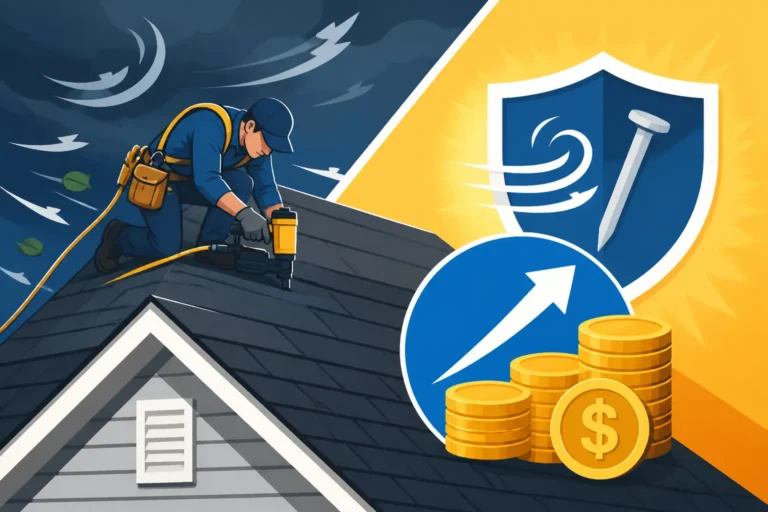
One of the big draws is the variety within the Timberline line. You have options like the Timberline HDZ, which boasts a StrikeZone nailing area for easier installation and superior wind resistance, or the Timberline UHDZ, which offers an even thicker, more robust profile for maximum curb appeal and enhanced performance. Then there's the Timberline Armorshield II, designed for impact resistance, a crucial feature in hail-prone regions. Each of these variations comes with its own set of features, benefits, and, naturally, a different price point, allowing homeowners to select a shingle that balances their budget with their desired aesthetic and protective needs. You can dive deeper into specific features by looking into guides like how the GAF Timberline HDZ Features Explained.
Key Factors Influencing GAF Timberline Costs
The price you pay for a GAF Timberline roof isn't just about the shingles themselves; it's a blend of several crucial factors. Think of it like buying a car – the base model is one price, but adding upgrades, labor, and dealer fees changes everything. For roofing, the primary drivers of cost include the specific GAF Timberline shingle line you choose, the complexity of your roof, regional labor rates, and any additional components needed for a complete roofing system.
For example, a standard Timberline HDZ shingle will generally cost less per square foot than the more premium Timberline UHDZ, which offers a heavier, thicker look and feel. Your roof's design, including its pitch, the number of valleys, dormers, and skylights, directly impacts the labor required and thus the overall cost. A simple, low-pitch roof will naturally be less expensive to install than a steep, multi-faceted roof with numerous architectural elements. Regional labor rates also play a significant role; a roofing crew in, say, California will likely charge more per hour than one in a lower cost-of-living state. Finally, the "system" approach, which includes GAF-branded underlayment, starter strips, ridge cap shingles, and flashing, can add to the material cost but often qualifies you for enhanced warranties, providing long-term value.
Breaking Down the Average Cost of a GAF Timberline Roof
When you get a roofing estimate, it's not just a single number; it's a sum of various parts. Understanding these components can help you decipher your quotes and ensure you're getting a fair price. We’re talking about more than just the shingles here – it’s about all the materials, the skilled hands that put them on, and the crucial extras that make a roof truly protective.
Material Costs for GAF Timberline Shingles
The shingles themselves are a significant portion of your material cost. GAF Timberline offers a range of options, and their prices reflect the technology, durability, and aesthetic upgrades associated with each line. As a general guideline, most roofing contractors price materials by the "square," which is a 100-square-foot section of roofing.
For instance, a standard GAF Timberline HDZ shingle might fall into the range of $100 to $150 per square for materials alone, depending on your location and supplier. If you opt for the more luxurious GAF Timberline UHDZ, you could be looking at $130 to $180 per square or even higher, reflecting its thicker construction and enhanced curb appeal. The impact-resistant Timberline Armorshield II often sits at the higher end, typically ranging from $150 to $200+ per square, due to its specialized protective properties. These are just shingle costs; remember, there are other essential materials that go into a complete roofing system. For a broader overview of shingle expenses, check out How Much Do GAF Shingles Cost.
Labor and Installation Costs
Labor is often the largest single component of a roof replacement project. The expertise required to install a roof correctly, especially one designed for optimal performance like GAF Timberline, comes at a cost. Several factors influence labor charges, and these are often unique to your home and region.
The complexity of your roof is a major player. A simple ranch-style home with a low-slope roof is far easier and quicker to shingle than a multi-story house with a steep pitch, multiple dormers, and intricate valleys. The higher the pitch, the more dangerous and time-consuming the work, which translates to a higher labor premium. Similarly, if your existing roof needs to be completely torn off, that's an additional labor cost. Old shingles, underlayment, and debris need to be removed and disposed of, which is physical, demanding work. If the roof decking underneath is found to be rotten or damaged during the tear-off, replacing those sections adds both material and labor costs. Roofing Material Cost vs Labor Cost explains this dynamic in more detail.
Other Essential Components
A GAF Timberline roof isn't just about the shingles; it's a comprehensive system designed to work together to protect your home. Overlooking these additional components can lead to a less durable roof and potentially void your manufacturer warranty. These "extras" are critical for proper water shedding, ventilation, and overall longevity.
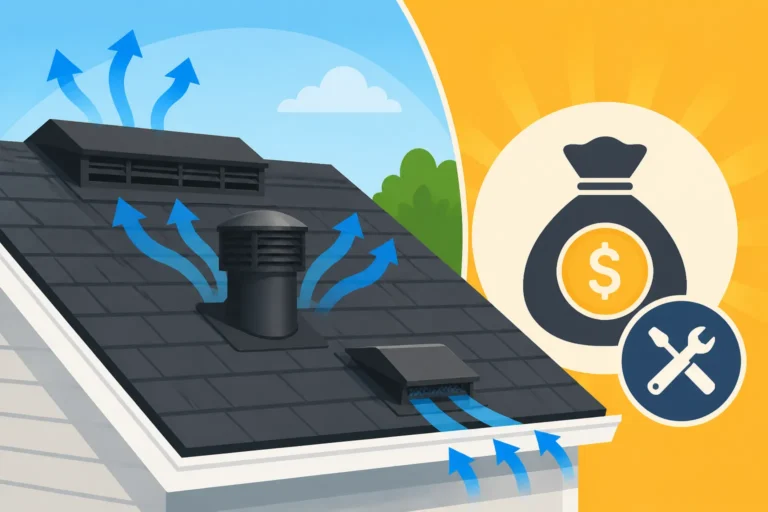
This includes elements like the underlayment, which provides an extra layer of protection against moisture penetration; starter strips that help prevent shingle blow-off at the eaves; and ridge cap shingles that cover the peaks of your roof, offering both protection and a finished look. Ice and water shield, often required by code in colder climates, is a crucial membrane applied to vulnerable areas like eaves and valleys to prevent leaks from ice dams. Proper flashing around chimneys, skylights, and vent pipes is also non-negotiable for preventing water intrusion. Even drip edge, which helps direct water off the roof and into the gutters, is a small but vital component. All these pieces, when sourced from GAF or equivalent quality, contribute to the total material and installation cost, but they are absolutely essential for a high-performing and warrantied roof.
Here’s a simplified breakdown of typical GAF Timberline system components and their estimated material costs per square:
| Component | Description | Estimated Material Cost Per Square (100 sq ft) |
|---|---|---|
| GAF Timberline HDZ Shingles | Architectural shingles, standard | $100 – $150 |
| GAF Timberline UHDZ Shingles | Architectural shingles, thicker/premium | $130 – $180 |
| GAF Timberline Armorshield II | Impact-resistant architectural shingles | $150 – $200+ |
| Underlayment (Synthetic) | Water barrier beneath shingles | $10 – $25 |
| Ice & Water Shield | Self-adhering membrane for vulnerable areas | $20 – $40 (for specific areas, not whole roof) |
| Starter Strip Shingles | At eaves and rakes to prevent blow-off | $5 – $15 |
| Ridge Cap Shingles | Covers roof peaks | $10 – $25 |
| Flashing/Drip Edge (Linear ft) | Metal around penetrations & roof edges | $2 – $5 per linear foot (estimate for average roof) |
| Vents (Ridge/Box) | Attic ventilation | $5 – $15 (per fixture or linear foot for ridge) |
Note: These are material costs only and do not include labor, disposal, or other project-specific expenses.
Real-World Cost Examples and Factors to Consider
It's one thing to talk about components, but what does that mean for your home? The reality is, every roofing project is unique, and the final price tag can vary significantly based on your specific circumstances. Let's look at how house size, roof design, and location play a huge role.
Cost Ranges by Roof Size and Complexity
Imagine two homes, both needing a GAF Timberline HDZ roof. One is a simple 1,500 sq ft ranch with a low pitch, while the other is a sprawling 3,000 sq ft two-story home with a steep pitch, multiple dormers, and a complex layout. The cost difference will be substantial, not just due to shingle quantity but also labor.
For a smaller, simpler home, say a 1,000 to 1,500 sq ft roof (which usually translates to 10-15 "squares" of roofing material), you might expect to pay anywhere from $7,500 to $12,000+ for a complete GAF Timberline HDZ installation. This includes tear-off, materials, labor, and disposal. For a mid-sized home, around 2,000 sq ft (20 squares), the costs typically range from $12,000 to $18,000+. For larger, more complex homes, such as a 3,000 sq ft multi-story house (30 squares or more), the price could easily jump to $20,000 to $30,000+. These figures are estimates and can fluctuate based on contractor, region, and unforeseen issues like extensive roof decking replacement. If you're wondering about the cost for different house sizes, you can look up specific guides like Cost to Replace a Roof on a 2,000 Sq Ft House.
Regional Price Variations
Just like the cost of living, roofing costs aren't uniform across the country. What you pay for a GAF Timberline roof in Florida might be very different from what you pay in Ohio or California. These regional differences are influenced by several factors, including local demand, material transportation costs, varying building codes, and prevailing labor rates.
For instance, states prone to severe weather, like Florida with its hurricane risks or Colorado with frequent hail, often have stricter building codes that may necessitate more robust materials (like impact-resistant shingles) and specialized installation techniques. This can drive up material and labor costs. In bustling metropolitan areas like New York or Los Angeles, higher overheads and a higher cost of living for workers typically mean higher labor rates compared to more rural or lower cost-of-living areas. To get a precise understanding, it's always best to get quotes from local contractors. Services like Modernize can help you connect with local, vetted roofers who can provide estimates tailored to your specific area and GAF Timberline preferences.
The Impact of a Full Roofing System
GAF heavily promotes the concept of a "GAF Lifetime Roofing System," and there's a good reason for it beyond just brand loyalty. Installing all GAF components—from the starter strips and underlayment to the ridge cap shingles and attic ventilation—together with your Timberline shingles can unlock enhanced warranty coverage that you wouldn't get with mixed-and-matched components.
This complete system approach ensures that all parts are designed to work seamlessly together, optimizing your roof's performance and longevity. While purchasing all GAF components might slightly increase your upfront material cost, the long-term benefits of a more robust, integrated system and a stronger warranty often outweigh that initial difference. This extended warranty protection can be incredibly valuable, covering not just the shingles but also the labor and other GAF components, providing an invaluable shield against future defects or installation issues. It's a testament to confidence in their products, and for many homeowners, the peace of mind is well worth the investment.
Smart Ways to Manage Your GAF Timberline Roofing Budget
A new roof is a significant investment, but it doesn't have to be a financially overwhelming one if you approach it strategically. There are smart steps you can take to ensure you're getting the best value for your GAF Timberline roof without sacrificing quality or breaking the bank.
Getting Accurate Estimates
One of the biggest mistakes homeowners make is settling for the first or cheapest quote they receive. To truly understand the average cost of a GAF Timberline roof for your home, you need to get multiple, detailed estimates. Don't just ask for a ballpark figure; insist on a comprehensive breakdown of materials, labor, tear-off, disposal, and any potential unforeseen costs.
A reputable contractor will visit your home, inspect your roof thoroughly (including the attic space for decking condition), and provide a written estimate that clearly itemizes everything. Make sure each quote specifies the exact GAF Timberline shingle line (e.g., HDZ, UHDZ) and whether a full GAF roofing system is included. Comparing these line-by-line is crucial, as some contractors might cut corners by omitting essential components or using lower-grade alternatives to make their bid seem more attractive. Don't be afraid to ask questions about anything unclear. Learning How to Read and Compare Roofing Estimates will be incredibly helpful in this process.
Potential Hidden Costs
Even with a detailed estimate, there can sometimes be unexpected expenses lurking beneath the surface of your old roof. The most common "hidden" cost is damaged roof decking. While a contractor can usually estimate the condition of your decking from below or by examining the existing roof, the true extent of rot or damage often isn't fully revealed until the old shingles are completely torn off.
If sections of your plywood or OSB decking are found to be compromised by water damage or rot, they absolutely must be replaced to provide a solid, secure base for your new GAF Timberline shingles. Each sheet of decking replacement will add to both your material and labor costs. Other potential hidden costs include unexpected repairs to flashing, chimney issues that become apparent once the old roof is removed, or even the need for additional ventilation to meet current building codes. Always ask your contractor about their process for handling unforeseen issues and how they communicate any necessary change orders before proceeding.
Financing and Insurance
For many homeowners, the cost of a GAF Timberline roof replacement isn't something they have sitting in their savings account. Thankfully, there are several avenues to help make this investment more manageable.
Your first stop might be your homeowners insurance, especially if your roof damage was caused by a recent storm, such as hail or high winds. If your policy covers sudden and accidental damage, a significant portion of your roof replacement could be covered, minus your deductible. It's important to understand your policy's specifics, like whether it covers actual cash value (ACV) or replacement cost value (RCV). You can find more information about this by looking at Does Insurance Cover Roof Replacement. If insurance isn't an option or only covers a portion, many roofing contractors, especially those affiliated with reputable platforms like Modernize, offer various financing plans. These can range from interest-free options for a short period to longer-term loans with competitive interest rates. Exploring these payment plans upfront can help you budget for your new GAF Timberline roof without feeling the immediate pinch of a large out-of-pocket expense.
Disclaimer
Please remember that the cost estimates provided in this guide are general averages and can fluctuate significantly based on your specific location, the complexity of your roof, the chosen GAF Timberline shingle line, current material and labor costs, and the individual contractor. Always obtain multiple, detailed quotes from licensed and insured roofing professionals for an accurate assessment of your project's cost.