3-Tab Shingle Cost Per Square
Figuring out the cost of a new roof can feel like trying to decipher a secret code, especially when you start seeing terms like "per square." Many homeowners find themselves scratching their heads, wondering exactly what a "square" is and how that translates to the final bill for a classic 3-tab shingle roof. This guide is here to unravel that mystery, breaking down the costs associated with 3-tab shingles per square, from the materials themselves to the labor involved, so you can approach your roofing project with confidence and a clear understanding of your investment.
Understanding the "Square" in Roofing Costs
When you start talking to roofers, one of the first things you'll hear is "squares." It’s a foundational term in the roofing industry, and understanding it is key to making sense of any estimate you receive. It’s not just about a flat square on the ground; it represents a specific area of your roof.
What Exactly is a Roofing Square?
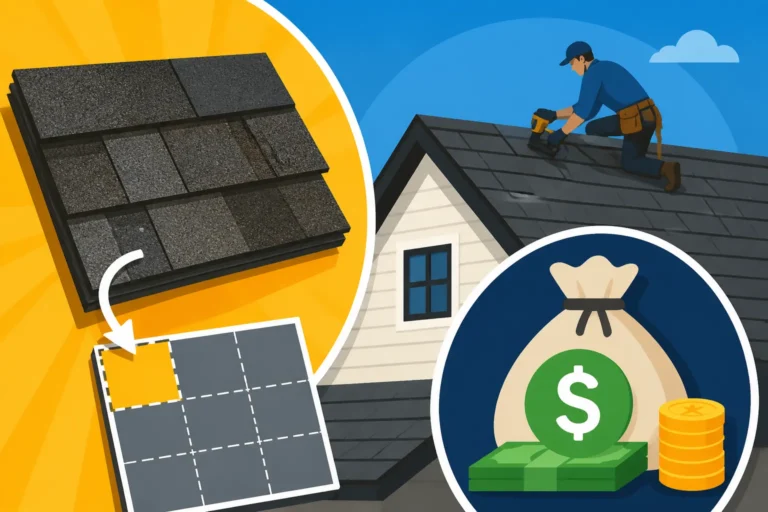
In roofing, a "square" isn't just any square measurement. It's a specific unit of area, equivalent to 100 square feet. So, if a roofer tells you your house needs 20 squares, they mean your roof has a surface area of 2,000 square feet. This standardized measurement simplifies the process for everyone involved, from manufacturers packaging materials to contractors estimating labor and material needs.
Think about it this way: if a roofer had to quote every single shingle, every nail, and every foot of underlayment individually, the estimation process would be incredibly tedious and prone to error. By breaking down the roof into these 100-square-foot chunks, they can quickly determine how much material is needed and how much labor will be required to cover that specific area. This allows for a more streamlined, albeit sometimes confusing for homeowners, approach to pricing. Understanding what is a roofing square is the first step in demystifying your roofing estimate.
Why 3-Tab Shingles are Priced by the Square
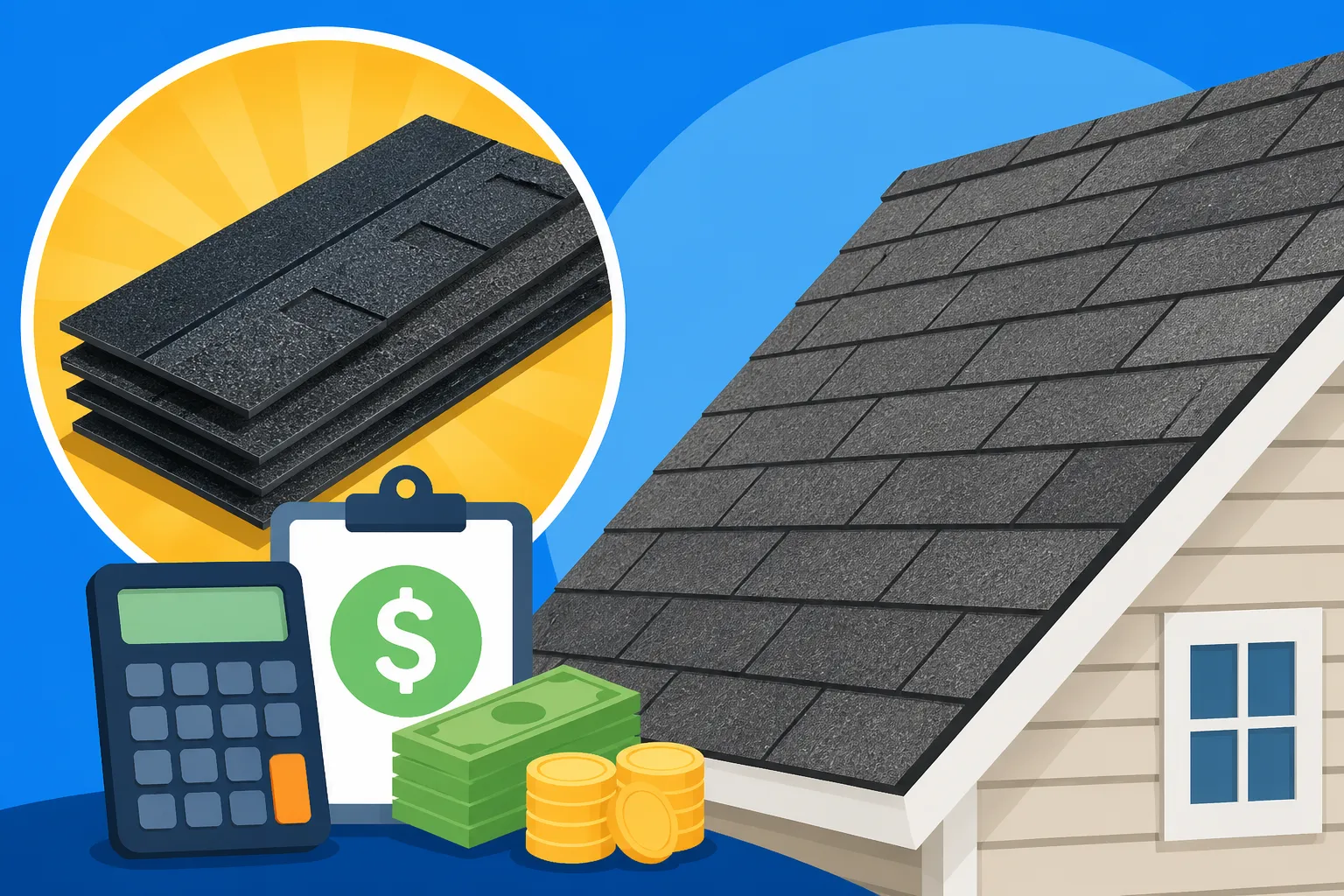
The practice of pricing by the square is deeply ingrained in the roofing industry, especially for asphalt shingles like the traditional 3-tab style. Manufacturers package shingles in bundles, and a certain number of bundles (usually three) make up one square of coverage. This direct correlation between packaging and the "square" unit makes it the most logical and efficient way to quote material costs.
Beyond just the shingles, other roofing components are also often calculated or estimated based on the square footage of the roof. Underlayment, for example, comes in rolls designed to cover specific square footages, making it easy to translate into "squares." Even the labor involved in removing old materials and installing new ones is frequently estimated on a per-square basis because it accounts for a consistent unit of work. This consistency in measurement ensures that when you're looking at different quotes, you're generally comparing apples to apples in terms of the area being covered, even if the final prices differ based on other factors.
The Cost Breakdown of 3-Tab Shingles Per Square
When you're trying to pin down the cost of 3-tab shingles, you'll generally look at two main components: the material cost itself and the installation cost. Sometimes these are combined into an "installed per square" price, while other times they are itemized separately. Getting a clear understanding of both is crucial for budgeting your roof replacement.
Material-Only Costs for 3-Tab Shingles
The cost of just the 3-tab shingles, without any labor or other components, typically falls within a specific range per square. Generally, you can expect to pay anywhere from $30 to $60 per square for the shingles alone. This makes 3-tab shingles one of the most budget-friendly options on the market, which is a big part of their enduring appeal for many homeowners.
Several factors can influence this raw material cost. First, the brand plays a role. While 3-tab shingles are a more basic product, established manufacturers like GAF, Owens Corning, and CertainTeed still produce them, and their brand reputation might come with a slightly higher price point compared to lesser-known brands. The specific quality or durability of the shingle within the 3-tab category can also affect pricing; some might offer slightly better wind resistance or algae protection, which can nudge the cost up a bit. Finally, the color choice, while usually minor, can sometimes have a small impact if a particular shade is less common or in higher demand. For a comprehensive look at how these material costs fit into the bigger picture, check out our guide on how much do GAF shingles cost or Owens Corning shingle roof cost installed.
Installation Costs Per Square
The installation cost per square for 3-tab shingles is where the majority of your roofing budget will likely go. This portion covers the labor involved in removing your old roof, preparing the deck, and meticulously installing the new shingles and associated components. On average, homeowners can expect to pay between $170 and $340 per square for installation, bringing the total installed cost of 3-tab shingles to roughly $200 to $400 per square.
This installed price isn't just for hammering down shingles; it often includes a variety of essential components that make up a complete roofing system. This usually covers the cost of underlayment (the protective layer beneath the shingles), roofing nails, starter shingles, and possibly some basic flashing. It also accounts for the time it takes for roofers to tear off and dispose of old shingles, which can be a significant undertaking. The actual hourly rates for roofers vary widely by region, with areas like California or New York typically seeing higher labor costs than, say, parts of the Midwest or the South. Factors such as the complexity of your roof and the number of layers needing to be removed will also impact the overall labor cost per square.
Factors Influencing Your 3-Tab Shingle Cost Per Square
While the base material and labor costs give you a good starting point, many variables can push the "per square" cost up or down for your specific project. It’s rarely a one-size-fits-all situation, and understanding these nuances will help you interpret your quotes accurately.
Roof Complexity and Pitch
One of the biggest drivers of increased cost per square is the complexity and pitch of your roof. A simple, low-slope gable roof is far less labor-intensive and safer to work on than a multi-level roof with a steep pitch, numerous dormers, valleys, and skylights.
Imagine a roofer trying to navigate a roof that feels like a mountain climb versus one that’s relatively flat. Steeper roofs require more safety equipment, more specialized techniques to prevent sliding, and generally take more time to install shingles precisely. Each valley, hip, and chimney penetration also adds complexity, requiring careful cutting, flashing, and sealing, which are labor-intensive tasks. If your home has a complex design or a very steep pitch, you should anticipate a higher cost per square for both labor and potentially for materials, as waste can sometimes be higher on intricate rooflines. Our guide on roof replacement cost by pitch delves deeper into this issue.
Regional Differences and Market Conditions
Just like almost everything else, roofing costs are heavily influenced by where you live and the current economic climate. What you pay for a square of 3-tab shingles in a bustling city like Dallas, Texas, might be significantly different from what you'd pay in a quieter rural area in upstate New York.
Labor rates, for instance, fluctuate dramatically from state to state and even city to city, reflecting the local cost of living and demand for skilled trades. Areas with a higher concentration of roofing projects, especially after a major storm, might see increased prices due to high demand and limited contractor availability. Conversely, regions with a surplus of roofing companies might experience more competitive pricing. Material costs can also vary based on transportation expenses from manufacturing plants to your specific location. Fuel prices, tariffs, and even global supply chain issues can all play a part in the price you see at your local supplier or from your contractor. For example, asphalt prices, a key component of shingles, can fluctuate with oil markets.
Underlying Roof Deck Condition
While not directly part of the "shingle cost per square," the condition of your existing roof deck is a crucial factor that can significantly impact your overall project budget, often expressed as an additional cost per square for the entire project. The roof deck, typically made of plywood or OSB, is the structural foundation that your shingles are installed on.
During a roof tear-off, if the contractor discovers widespread rot, water damage, or structural issues with the decking, those problems must be addressed before new shingles can be installed. Replacing damaged roof decking is an extra cost that can add hundreds or even thousands of dollars to your bill, depending on the extent of the damage. For instance, if several sheets of plywood need replacing, you'll be looking at additional material and labor charges. A reputable contractor will inspect your roof decking during the estimate phase and include contingencies for potential repairs in the contract, or at least clearly communicate that this could be an unforeseen expense. Understanding roof decking replacement cost is vital for a realistic budget.
Getting an Accurate Estimate for Your 3-Tab Shingle Project
Navigating the world of roofing estimates can be daunting, but with the right approach, you can ensure you're getting a fair price and a clear understanding of what your 3-tab shingle project will entail. Don't rush into signing the first estimate you receive; diligence here pays off in a big way.
The Importance of Multiple Quotes
One of the most valuable pieces of advice any homeowner can get when planning a roof replacement is to obtain multiple estimates. I'm talking at least three, ideally five, detailed quotes from different reputable roofing contractors. Why so many? Because prices can vary widely, not just due to legitimate differences in labor rates or material markups, but also in what’s included in the quote.
Each contractor might have a slightly different approach, use different brands for underlayment or flashing, or offer different levels of warranty. Comparing these quotes side-by-side allows you to truly understand the market rate for a 3-tab shingle roof in your area and identify any outliers—either too high or suspiciously low. A platform like Modernize can be incredibly helpful here, connecting you with multiple local roofing companies so you can easily gather and compare bids without having to start from scratch each time. When you receive these quotes, don't just look at the bottom line. Scrutinize what's included, especially details about materials, tear-off, disposal, and warranty. This process is critical for understanding how to read and compare roofing estimates.
Understanding Hidden Costs and Avoiding Surprises
No one likes unexpected expenses, especially when it comes to a major home improvement like a roof replacement. Unfortunately, "hidden costs" can sometimes crop up if you're not careful or if your contractor isn't completely transparent upfront. It's your job to ask the right questions and ensure everything is documented.
One common potential hidden cost is the permit fee. Many municipalities require a permit for roof replacements to ensure the work meets local building codes. Your contractor should handle pulling this permit, but the cost will be passed on to you. Another area is the disposal of old materials; while often included, confirm if there are any limits or extra charges for excessive debris, especially if you have multiple layers of old roofing. As discussed earlier, unforeseen roof decking repairs are another big one. Make sure your contract specifies how these potential repairs will be handled and priced if discovered. Finally, ask about potential costs for unexpected issues, like damaged gutters, fascia, or soffits that might become apparent during the tear-off. A good contractor will clearly outline these possibilities in the contract, ensuring that there are no surprises down the line. This proactive approach helps avoid many common hidden costs in a roof replacement.
Here's a quick overview of potential 3-tab shingle costs per square:
| Component | Low End (Per Square) | Average (Per Square) | High End (Per Square) |
|---|---|---|---|
| Material Only | $30 | $45 | $60 |
| Labor (Installation) | $170 | $250 | $340 |
| Total Installed Cost | $200 | $295 | $400 |
Note: These figures are estimates and can vary significantly based on location, roof complexity, and specific contractor pricing.
Disclaimer
Please remember that the information provided in this article is intended for general informational purposes only and does not constitute professional advice. Roofing costs are subject to a multitude of variables including location, specific materials chosen, labor rates, roof complexity, and current market conditions. Always consult with multiple qualified and licensed roofing contractors in your area for accurate estimates tailored to your specific project.