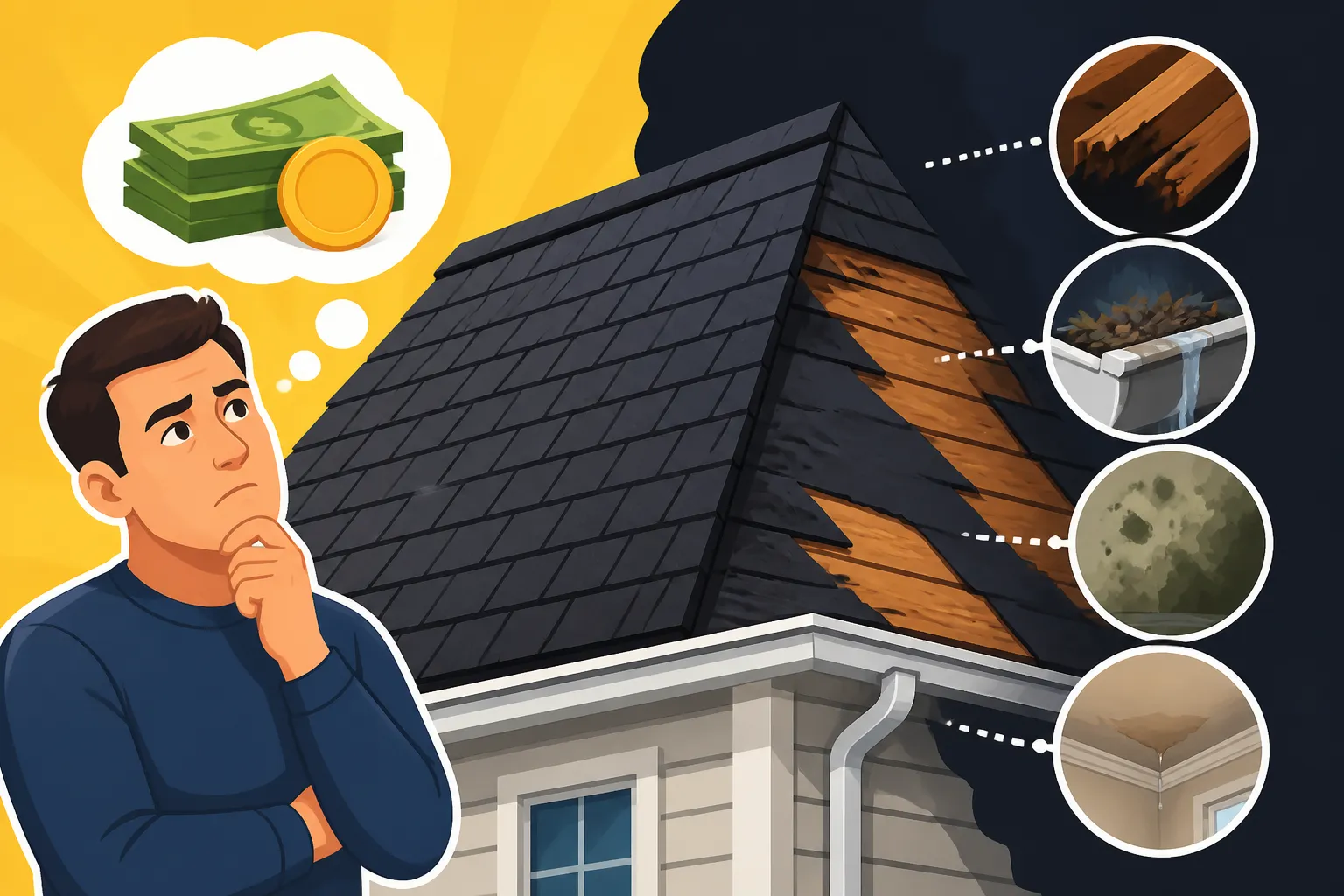
Hidden Costs in a Roof Replacement
Oh, the joy of getting a roofing estimate, only to realize it feels like a starting bid in a silent auction rather than a fixed price! Many homeowners go into a roof replacement project with a budget in mind, only to be completely blindsided by additional expenses that seem to appear out of nowhere. It’s not just you; it’s a super common frustration. This guide is here to shed light on those sneaky hidden costs in a roof replacement so you can be prepared, ask the right questions, and avoid that gut-wrenching feeling when the final bill arrives.
The Initial Estimate Shock: What It Often Misses
When you first get a quote for a new roof, it usually seems straightforward: a price per square, perhaps a line item for materials and labor. But what's often missing are all the little (and sometimes not so little) details that can quickly add up. These are the things that savvy homeowners, and even some less experienced roofers, might overlook, leading to those frustrating "surprises" down the line. It's not always intentional obfuscation; sometimes, these details genuinely only become apparent once the work begins.
The Elusive "Base Price"
You'll often hear a contractor quote a "base price" for your roof, which typically covers the shingles, basic underlayment, and standard labor for installation. This is the figure that gets thrown around most often, and it's what most people mentally budget for. However, this base price rarely accounts for the full complexity of your specific roof. It's like buying a new car based on the sticker price, only to find out all the essential features you thought were standard are actually add-ons.
Think about it: your house isn't a simple, flat rectangle. It has peaks, valleys, dormers, chimneys, and vent pipes. Each of these architectural features requires meticulous, specialized work and additional materials, like flashing, to ensure a watertight seal. These aren't usually factored into a simple "per square" estimate. For instance, a basic estimate for a 2,000 sq ft roof might assume a fairly simple footprint, but if your home has a complex design with numerous angles and penetrations, the actual work involved, and thus the cost, will be significantly higher. This is why understanding the true asphalt roof replacement cost: complete breakdown is crucial right from the start.
Overlooked Preparatory Work
Before a single new shingle can be laid, a lot of preparatory work might be needed that isn't always explicitly detailed in a generic quote. This can include anything from protecting your landscaping to ensuring the site is safe. Many homeowners expect the old roof to be removed, but don't consider the full scope of what that entails.
For example, roof tear-off and disposal costs are a prime example of an often-underestimated expense. Contractors need to factor in the labor to meticulously remove old shingles, the cost of specialized equipment like dumpsters or chutes, and the fees for disposing of the debris, which can vary significantly by location and local landfill charges. If you have multiple layers of old shingles, which isn't uncommon, the weight and volume of debris can skyrocket, adding considerable expense. Ensuring the property is clean and free of nails after the job is done also takes time and specialized magnetic sweepers, which is part of that overhead.
Structural Surprises Hiding Beneath Old Shingles
This is where hidden costs can truly become "jaw-dropping." You can't see what's beneath your existing shingles and underlayment, and neither can the roofer until the old roof is off. This is precisely why a thorough inspection is critical, but even the most experienced eyes can miss internal rot or damage until the surface is stripped away.
Rotted Roof Decking and Substrate Issues
One of the most common and expensive hidden surprises is discovering damaged or rotted roof decking. The decking, typically made of plywood or OSB, is the structural layer beneath your underlayment and shingles. It's what the shingles are nailed into. If your old roof has been leaking for a while, or if previous repairs weren't done correctly, moisture can seep in and cause the decking to rot, soften, or delaminate. This compromises the integrity of your entire roof system.
When a roofer tears off the old shingles and finds widespread rot, that decking must be replaced. You simply cannot install new shingles onto a compromised surface; it won't hold nails, and your new roof will fail prematurely. Replacing roof decking can add a substantial amount to your bill. Each 4×8 foot sheet of plywood or OSB, plus the labor to cut, fit, and nail it down, quickly accumulates. In areas prone to heavy moisture or snow, like up in Minnesota or along the Washington coast, this is an all-too-frequent discovery. A dedicated guide on roof decking replacement cost can give you a better idea of what to expect if this happens.
Damage to Rafters and Trusses
Even more alarming, though less common, is finding damage to the rafters or trusses that support the roof decking itself. These are the fundamental structural components of your home's roof. Prolonged leaks, insect infestations (like carpenter ants or termites), or even significant storm damage can weaken or rot these critical pieces of lumber. If a roofer discovers compromised rafters or trusses, it's not just a matter of slapping on new decking; it's a structural repair that requires specialized carpentry.
Imagine a scenario in a historic home in Savannah, Georgia, where years of unnoticed leaks have slowly degraded a portion of the roof structure. When the old slate shingles are removed, the roofer discovers that several rafters are spongy and unsafe. This kind of repair can involve propping up the roof, removing and replacing large sections of framing, and potentially even getting a structural engineer involved. Such work goes far beyond typical roofing and can add days, if not weeks, to a project timeline, along with significant labor and material costs. This is an instance where the project scope shifts dramatically, and you’ll want to have clear communication with your contractor about contingency plans.
The Bureaucracy and Beyond: Permits, Inspections, and Unexpected Code Upgrades
It's easy to think of a roof replacement as just a construction job, but it's also a bureaucratic process that varies wildly depending on where you live. Ignoring these steps can lead to hefty fines, delays, and even problems with your insurance or home resale down the road.
Navigating Local Permit Fees and Inspections
Almost every major roofing project requires a permit from your local municipality or county. This permit isn't just a piece of paper; it's a way for the city to ensure that the work being done on your home meets safety and structural standards. The cost of a roofing permit can vary widely, from under $100 in some rural areas to several hundred dollars in larger cities like Los Angeles or New York. The permit fee often covers the administrative cost and the necessary inspections by local building officials.
What many homeowners don't realize is that securing the permit and scheduling the inspections is part of the contractor's job, but the cost of the permit is typically passed directly to the homeowner. And if the initial inspection reveals issues, or if the final inspection uncovers work not up to code, you might face delays and additional costs to rectify the problems. You can learn more about if you need a permit to replace a roof and the specific roofing permit cost and process to be prepared.
The Cost of Bringing Your Roof Up to Code
Building codes are constantly evolving, particularly in areas prone to severe weather. What was perfectly acceptable when your house was built 20 or 30 years ago might not meet current standards. When you get a new roof, your contractor is often legally obligated to bring certain aspects of your roof system up to the current building code. This is where unexpected costs can arise.
For example, many areas now require stricter ice and water shield installation, especially in colder climates like Michigan or Colorado, or in areas with high wind exposure like coastal Florida. This specialized underlayment, designed to prevent water penetration from ice dams or wind-driven rain, is more expensive than standard felt underlayment. Similarly, local codes might dictate specific nailing patterns for shingles (often called "high-wind nailing") or require improved ventilation systems, such as the installation of a new ridge vent, to ensure proper airflow in the attic. These code-mandated upgrades, while ultimately beneficial for your home's longevity and energy efficiency, will add to the overall project cost. Don't forget, these things often become clear during the permit application process or the subsequent inspections.
Essential Components You Didn't Budget For
While shingles get all the glory, a roof is a complex system of many different parts working together. Neglecting any one of these components can compromise the entire system, yet their costs are often bundled or not explicitly detailed in initial estimates.
Upgrading Underlayment, Ice & Water Shield, and Drip Edge
Beneath those beautiful new shingles lies a crucial layer of protection: the underlayment. Basic estimates often include a standard felt underlayment, but modern roofing often calls for synthetic underlayment, which is more durable, tear-resistant, and provides superior moisture protection. While synthetic underlayment costs a bit more, it's a worthwhile upgrade for its performance and longevity.
Even more critical, especially in regions prone to heavy rain, snow, or ice, is the ice and water shield. This self-adhering, waterproof membrane is typically installed along eaves, in valleys, and around chimneys and skylights – critical areas where water tends to accumulate. Its installation is often mandated by local building codes in colder climates to prevent ice dams from causing leaks. If your old roof didn't have it, or had it only sparingly, installing it to current code will add to your material and labor costs.
Finally, the drip edge – a metal flashing installed along the edges of the roof – helps direct water away from the fascia and prevents it from seeping under the roof edge. Many older homes either lack drip edge entirely or have a less robust version. Upgrading to a modern, code-compliant drip edge is a small but important investment that prevents long-term water damage to your home's vulnerable edges. The cost of new flashing and drip edge might seem minor, but it's essential for a watertight system.
The Crucial Role of Flashing and Ventilation
Flashing are thin pieces of metal, often aluminum or galvanized steel, that roofers install around features that protrude from the roof, like chimneys, vent pipes, skylights, and valleys. Their purpose is to create a watertight seal, preventing water from seeping into your home at these critical junctures. Old flashing might be corroded, bent, or improperly installed, making replacement necessary. While a basic estimate might include "new flashing," a complex roof with multiple dormers or a large chimney can require significantly more custom flashing work, driving up costs.
Ventilation is another component that homeowners often overlook. Proper roof ventilation is absolutely essential for the longevity of your roof and the energy efficiency of your home. It helps regulate attic temperature, preventing heat buildup in summer and moisture accumulation in winter. Inadequate ventilation can lead to premature shingle aging, mold growth, and higher energy bills. If your current attic ventilation system (e.g., soffit vents, gable vents, box vents, or ridge vents) is insufficient or damaged, your contractor may recommend upgrades. Installing a new ridge vent or adding more soffit vents, for instance, involves additional materials and labor that won't be in a basic shingle replacement quote. Understanding how roof ventilation works is key to appreciating its value.
Unexpected Waste and Disposal Fees
We touched on this earlier with tear-off, but it's worth emphasizing the specific fees associated with waste. When your old roof comes off, it creates a substantial amount of debris. This isn't just old shingles; it's also nails, underlayment, flashing, and potentially sections of old decking. All of this material has to go somewhere, and that somewhere often comes with a price tag.
Disposal fees, also known as tipping fees, are charges levied by landfills or recycling centers based on the weight or volume of the debris. These fees vary by location and can fluctuate. For example, in a state like California with strict environmental regulations, disposal costs might be higher than in a state like Oklahoma. If your contractor uncovers unexpected layers of old roofing (some homes have two or even three layers of shingles, which is often against current code), the volume and weight of the debris will increase dramatically, leading to higher disposal costs. Always ask your contractor about their waste management plan and how disposal costs are calculated.
Labor and Logistics: When the Job Gets More Complex
Roofing is physically demanding work, and the difficulty of the job directly impacts labor costs. Simple, easy-to-access roofs are naturally less expensive to work on than complex ones. These logistical challenges often aren't apparent until a detailed site visit.
Steep Pitches, Multiple Stories, and Difficult Access
Picture two houses, both with 2,000 square feet of roof. One is a single-story ranch with a gently sloping roof, easy for roofers to walk on and move materials around. The other is a two-story Victorian with a very steep pitch, multiple gables, and limited access for equipment. Which one do you think will cost more in labor? Absolutely the Victorian!
A steep roof pitch means roofers must take extra safety precautions, work more slowly, and often require specialized equipment like scaffolding or safety harnesses. This translates directly to increased labor hours and a higher per-square cost, sometimes referred to as a steep roof cost premium. Similarly, multi-story homes require more effort to hoist materials up and dispose of debris, often leading to a multi-story roof cost premium. If your home has complex landscaping, fences, or other obstacles that make it difficult for equipment (like dumpsters or material delivery trucks) to get close to the house, roofers might have to manually move materials further, adding to the labor time.
Additional Crew and Specialized Equipment Needs
Sometimes, the sheer scale or complexity of a job dictates that more hands are needed on deck, or specialized machinery that wasn't initially accounted for. For instance, if a project involves significant structural repairs beyond what a standard roofing crew typically handles, a general contractor or specialized carpenter might need to be brought in. This adds another layer of cost and coordination.
In urban areas, especially those with tight property lines or dense housing, getting a large dumpster close to the home might be impossible. In such cases, roofers might need to use smaller trailers that make more trips, or even manually bag and haul debris, which is labor-intensive. For very tall homes or those with exceptionally steep pitches, a crane might be required to lift bundles of shingles or other heavy materials safely onto the roof, an expense that can easily run into the hundreds or even thousands of dollars for a single day's rental. These logistical considerations are often discussed during the quoting process, especially if you're getting estimates from experienced contractors who ask specific questions about your property's accessibility. A service like Modernize can help connect you with experienced roofers who conduct thorough initial assessments.
Understanding Warranty Upgrades and Manufacturer System Costs
A new roof is a big investment, and you want it protected. While every shingle comes with a basic warranty, there's a world of options and requirements for enhanced coverage that can also add to your total cost.
Standard vs. Enhanced Warranties
When you get new shingles, they typically come with a standard manufacturer's warranty, covering material defects for a certain period, usually 20-30 years for architectural shingles. However, this base warranty often has limitations and might not cover the labor to remove and reinstall the defective shingles, or the entire roofing system.
Many reputable manufacturers, like GAF, Owens Corning, and CertainTeed, offer enhanced or "system" warranties. These warranties provide much more comprehensive coverage, often extending the non-prorated period, covering workmanship, and sometimes even the entire roofing system (including underlayment, flashing, and ventilation components). To qualify for these enhanced warranties, however, you often need to meet specific criteria:
- Use of a Full System: You must install not just their shingles, but also their brand's starter strips, ridge caps, underlayment, and sometimes even their specific ventilation products.
- Certified Contractor: The installation must be performed by a contractor certified by the manufacturer (e.g., a GAF Master Elite Contractor or Owens Corning Platinum Preferred Contractor).
These premium components and certified labor will naturally cost more upfront. For example, a GAF Timberline HDZ roof cost installed with their full system warranty will be higher than just installing the shingles alone. While this is an additional cost, the peace of mind and extended protection often make it a worthwhile investment, potentially saving you significant money down the road if issues arise. It's vital to discuss roofing warranties: manufacturer vs workmanship with your contractor to understand your options.
Full Roofing System Requirements
As mentioned, achieving those coveted enhanced warranties often means installing a complete "roofing system" from a single manufacturer. This means every component, from the deck protection (underlayment) to the starter strip shingles, the field shingles, and the hip and ridge cap shingles, must be from the same brand.
For example, if you choose Owens Corning Duration shingles, to get their best warranty, you'd also need their ProArmor synthetic underlayment, VentSure ridge vents, and their starter and hip & ridge shingles. While you might be able to save a bit by mixing and matching components from different manufacturers, doing so will almost certainly void the eligibility for the manufacturer's enhanced system warranty, leaving you with only the basic material defect warranty. The cost difference might seem like a hidden fee, but it's an investment in a unified, high-performance system designed to work together and protect your home for decades. Reputable contractors who understand these systems, often found through platforms like Modernize, will walk you through these options and their associated costs.
How to Navigate Hidden Costs and Get a Realistic Estimate
It’s easy to feel overwhelmed by all these potential extras, but the key is preparedness and proactive questioning. A good contractor won't shy away from these discussions.
Getting Multiple, Detailed Bids
Don't settle for just one estimate. Always get at least three detailed bids from different reputable roofing companies. Make sure each bid explicitly breaks down material costs, labor costs, permit fees, disposal costs, and any potential upgrades for underlayment, flashing, or ventilation. A thorough estimate should also clearly state how they handle unforeseen issues like rotten decking.
When comparing estimates, don't just look at the bottom line. Scrutinize what each contractor includes. One contractor might have a higher initial quote but includes a superior underlayment, a full manufacturer system warranty, and a clear contingency plan for decking replacement. Another might seem cheaper but offers a bare-bones package, leaving you vulnerable to significant upcharges. This is also why understanding how to read and compare roofing estimates is so important.
Asking the Right Questions Upfront
Empower yourself by asking specific questions. Don’t assume anything.
- "What type of underlayment are you including, and is a synthetic upgrade available? What about ice and water shield?"
- "Are permit fees included in this estimate, and who is responsible for pulling the permit and scheduling inspections?"
- "What is your protocol and pricing for discovering damaged roof decking or rafters?" (Ask for a per-sheet or per-linear-foot price for these unexpected repairs.)
- "Does this estimate include removal and disposal of all existing roofing layers, even if there are multiple?"
- "What are the options for warranties, and what are the requirements (e.g., full system installation, certified contractor) for the enhanced warranties?"
- "Are there any additional charges for steep pitch, multiple stories, or difficult access to my property?"
Be transparent about your concerns, especially if your home is older or has known issues. An honest contractor will appreciate your diligence and provide clear answers.
| Hidden Cost Category | Potential Triggers | Typical Impact on Cost (Range) | How to Mitigate |
|---|---|---|---|
| Structural Issues | Rotten decking, damaged rafters/trusses, pest damage | $500 – $5,000+ | Get a detailed pre-inspection, ask for contingency pricing. |
| Permits & Code Upgrades | Local regulations, new building codes, insufficient ventilation | $100 – $1,500+ | Confirm permit inclusion, ask about code compliance. |
| Additional Components | Synthetic underlayment, ice & water shield, upgraded flashing, drip edge, new vents | $300 – $2,000+ | Specify component types in the contract, understand full system costs. |
| Waste & Disposal | Multiple layers of old roofing, heavy debris, local fees | $200 – $1,000+ | Inquire about tear-off depth, confirm disposal is included. |
| Labor & Logistics | Steep pitch, multi-story, difficult access, dense landscaping | $500 – $2,500+ | Discuss property specifics, ensure estimate reflects complexity. |
| Warranty Upgrades | Enhanced manufacturer warranties, certified installation | $500 – $2,000+ | Understand warranty tiers and their requirements. |
By being proactive and thoroughly vetting your roofing contractor, you can significantly reduce the chances of encountering frustrating hidden costs. Remember, a cheap upfront quote isn't always the most cost-effective in the long run if it's full of omissions and potential upcharges. Invest time in finding a reputable, transparent roofer who provides a comprehensive quote and explains every line item.
Disclaimer
Please remember that this article provides general information and estimates. Actual costs and requirements for a roof replacement can vary significantly based on your specific location, local building codes, chosen materials, the complexity of your roof, and the individual contractor. Always obtain multiple detailed estimates and consult with qualified professionals before making any decisions about your roofing project.